
Electrical faults that commonly cause flicker
- Weak alternator output
- Loose battery terminals
- Poor ground path
- Aging battery with low reserve
- Accessory load overwhelming the system
Electrical Guide
Flickering lights often point to unstable system voltage from a weak battery, failing alternator, poor cable connection, or grounding issue.
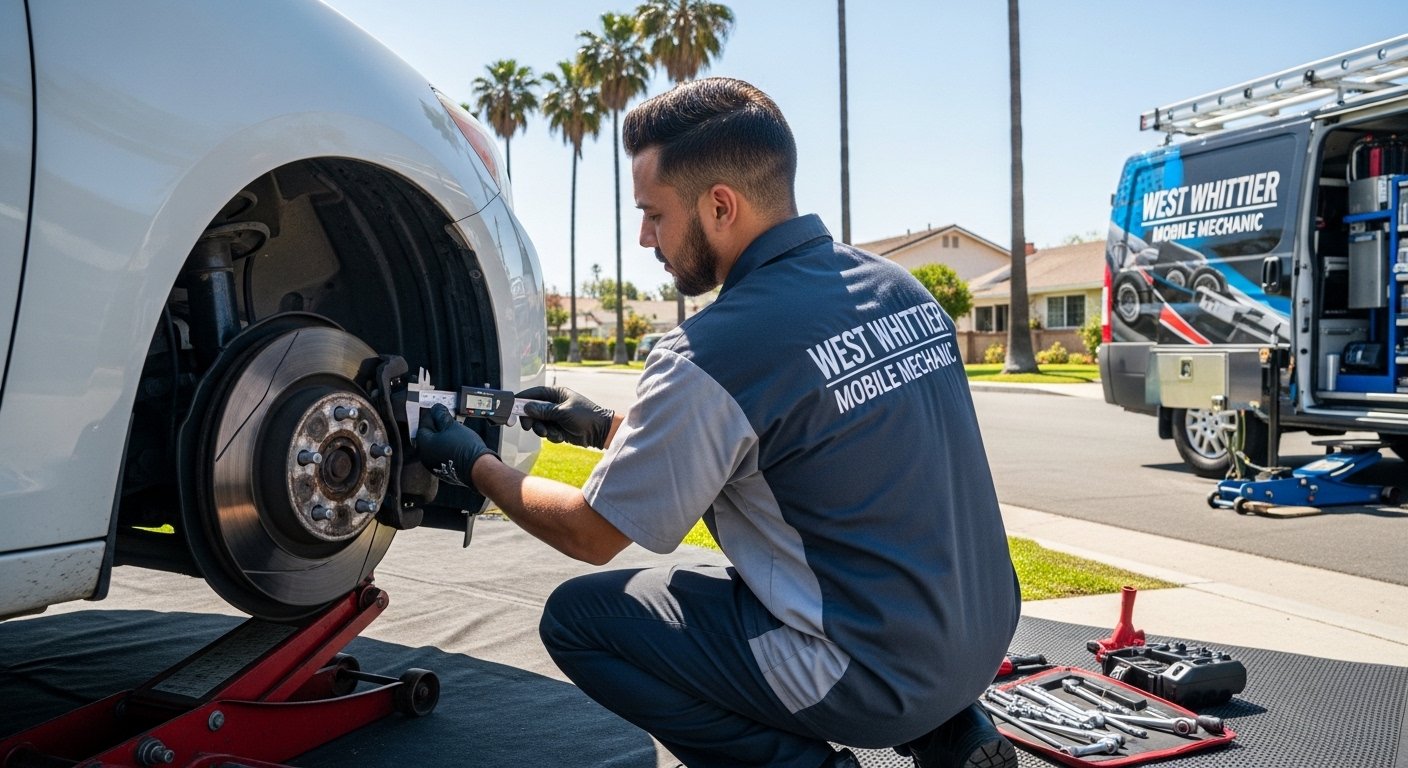
Flickering dashboard lights are one of the most useful clues in a charging or voltage problem. They tell you the electrical system is not stable, even before the car fully refuses to start.
Some vehicles flicker most at idle because alternator output is weak. Others flicker after bumps or temperature changes because a terminal or ground has poor contact.
Because this symptom often appears before a bigger breakdown, it is worth diagnosing early.
Use these pages to compare likely causes, next steps, and the most relevant mobile repair service.
Used when charging voltage is low, lights flicker, or the battery keeps dying.
Helpful when slow cranking, repeated jumps, or overnight drain point to battery failure.
When the battery is new but the vehicle still keeps ending up dead.
On-site testing to separate battery, starter, charging, and drivability faults.
Often, but weak battery or connection problems can do it too.
Not a good idea. It often comes before a dead battery or charging failure.
Yes. That can point toward a loose connection or ground.
Yes. Battery condition matters in any voltage-stability complaint.
Yes, many electrical symptoms can be tested on-site.
Call or text 562-850-1210 for mobile service in West Whittier-Los Nietos, Whittier, Pico Rivera, Santa Fe Springs, La Mirada, Norwalk, and Downey.