
Common reasons for brake shake
- Uneven rotor wear
- Heat spots from stop-and-go braking
- Worn brake hardware
- Front-end looseness under load
- Pad material transfer
Problem Diagnosis
Brake shake usually points to uneven rotor wear, heat damage, or front-end components that reveal themselves most strongly under braking load.
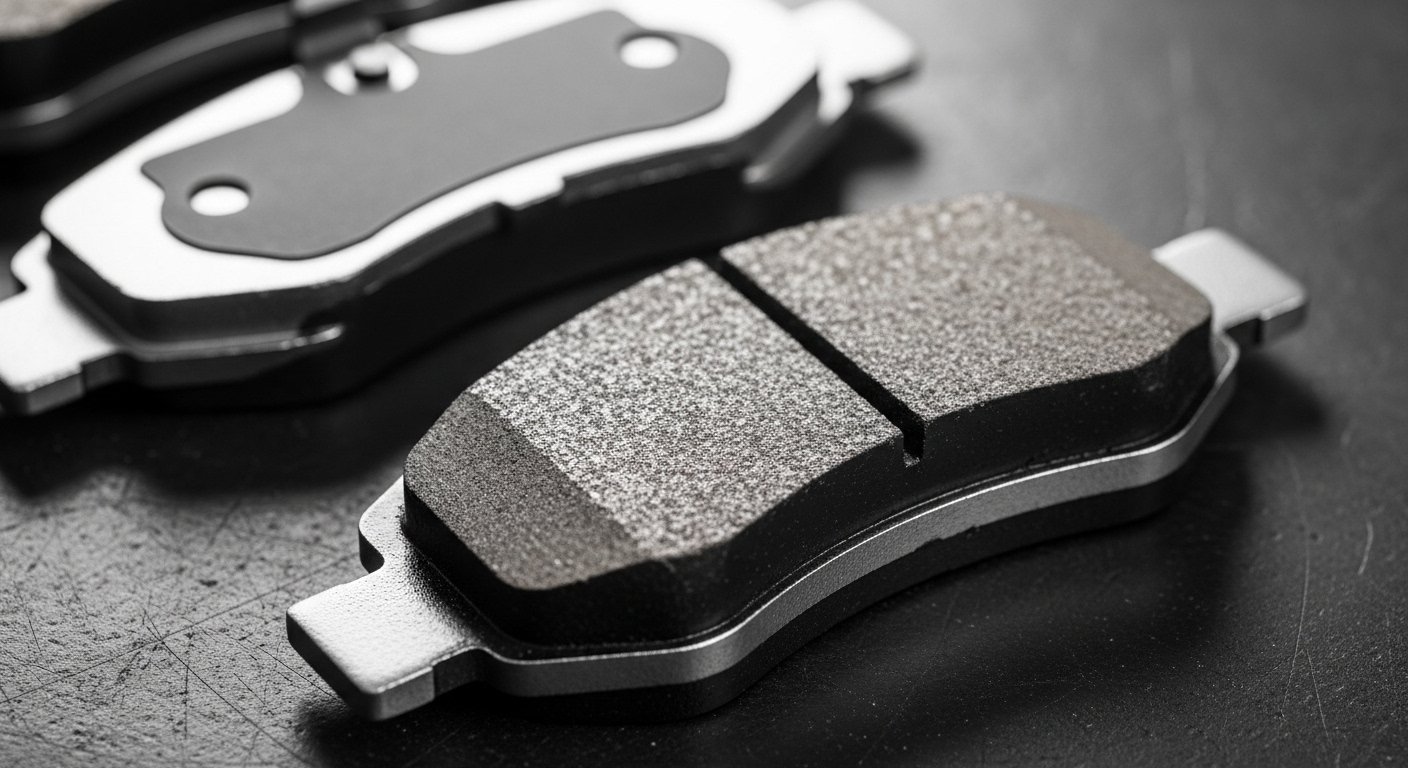
A car that shakes while braking often has rotor heat damage, pad transfer issues, or front-end looseness that becomes obvious only when braking force loads the suspension.
Drivers often describe the symptom as warped rotors, but the important thing is identifying whether the shake is truly brake-related or if the tires, wheel bearings, or suspension also need consideration.
Because stopping stability is involved, this symptom is worth checking sooner rather than later.
Use these pages to compare likely causes, next steps, and the most relevant mobile repair service.
For squealing, grinding, pulsation, and reduced braking confidence.
Helps narrow vibration, brake pulsation, and drivability symptoms.
Noise complaints that often point to brakes, pulleys, or metal-on-metal wear.
A fit for parking-lot, curbside, and driveway breakdowns.
No. Rotor surface variation is common, but tires and suspension issues can contribute too.
It can be, especially if the shake is severe or braking confidence is reduced.
More speed creates more heat and more force through the braking system.
Yes, many brake vibration complaints can be evaluated where the car is parked.
Not always, but rotor condition is often part of the final repair.
Call or text 562-850-1210 for mobile service in West Whittier-Los Nietos, Whittier, Pico Rivera, Santa Fe Springs, La Mirada, Norwalk, and Downey.